Featured


How Understanding Financial Fresh Starts for Struggling Americans can Save You Time, Stress, and Money.
Table of Contents
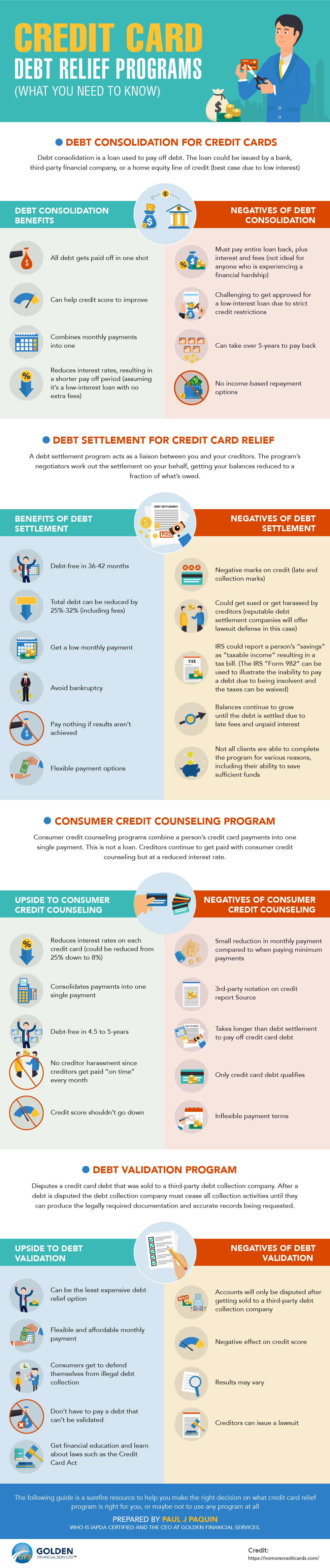
That frees up cash in the short term, and you may have three to 4 years to save towards the negotiation amount. Extremely damaging to credit rating, mostly due to missed settlements and a negative "cleared up" mark that can remain on your debt report for as much as 7 yearsMay be only option if various other alternatives (debt consolidation, equilibrium transfer credit rating cards, financial obligation forgiveness) aren't possibleTypically calls for a fee to the third celebration, which might offset some or every one of the savings from debt settlementMay help you stay clear of insolvency if you have actually missed out on a number of paymentsNot all creditors work with debt settlement companies Financial obligation mercy may be appropriate for you if you are experiencing a monetary difficulty that makes it virtually difficult to pay down your debt equilibriums.
With a DMP, you make one regular monthly payment to the debt counseling firm. Those funds are after that dispersed to creditors of your unsecured debts, such as bank card and installment lendings. The agency deals with your creditors to minimize interest rates or forgo costs, however some creditors may decline such giving ins.
It can assist you pay down debt if you're able to secure a financing price that's reduced than the ordinary rate of the accounts you're settling. You need to refrain from racking up financial debt on those freshly removed accounts or your financial debt could grow even greater.
These cards typically use a 0% rate of interest initial period of as much as 21 months. That provides you lots of time to remove or substantially decrease your balance while making interest-free repayments. For some people encountering overwhelming financial debt, personal bankruptcy may be the only means to quit collection proceedings and lawfully fix their financial debts.
Excitement About The Pros and Disadvantages of Online vs Phone Bankruptcy Counseling: Pros
You may require it if your creditor or a debt collector ever before attempts to collect on the financial obligation in the future. The letter might show you don't owe what the collection agency's records reveal. Yes, for the most part, the internal revenue service thinks about forgiven debt as gross income. When a loan provider forgives $600 or more, they are called for to send you Type 1099-C.
Financial debt forgiveness or settlement generally injures your credit rating. Anytime you clear up a financial debt for much less than you owe, it may show up as "worked out" on your debt report and impact your credit scores score for seven years from the day of negotiation. Your credit can additionally drop substantially in the months causing the forgiveness if you fall back on payments.
Getting The Staying Away From the Old Patterns After Your Fresh Start To Work
Tax debt concession programs Tax debt happens when the amount of taxes you owe surpasses what you have paid. This situation usually results from underreporting revenue, not filing returns on time, or inconsistencies found during an IRS audit. The repercussions of building up tax financial obligation are significant and can consist of tax obligation liens, which offer the IRS a lawful insurance claim to your residential or commercial property as protection for the debt.
Greater interest rates on available credit history. Earnings and Bank Accounts internal revenue service can levy (confiscate) wages and checking account to please the financial obligation. Lowered earnings and disruption of important economic processes. Home Seizure In severe situations, the IRS can take and offer property to cover the financial obligation. Loss of valuable properties and possible displacement.
Social Stigma Dealing with legal action from the Internal revenue service can lug social stigma. Work Opportunities A poor credit score due to tax financial obligation can limit employment opportunities. Government Benefits Tax obligation debt might impact qualification for government advantages, such as Social Safety And Security and Medicaid.
The smart Trick of Restoring Personal Credit History the Strategic Way That Nobody is Discussing
The OIC takes into consideration numerous aspects, including the taxpayer's income, expenditures, property equity, and capability to pay. Effectively discussing an OIC can be complex, calling for a comprehensive understanding of the internal revenue service's standards and a strong argument for why your deal lines up with your ability to pay. It is essential to keep in mind that not all applications are approved, and the procedure calls for detailed financial disclosure.
The IRS analyzes your overall monetary circumstance, including your earnings, expenditures, possession equity, and capability to pay. You should additionally be present with all filing and payment demands and not remain in an open bankruptcy case. The internal revenue service likewise considers your compliance history, evaluating whether you have a record of prompt declaring and paying tax obligations in previous years.
The Greatest Guide To The Advantages and Drawbacks of Debt Forgiveness
The application process for an Offer in Concession includes a number of in-depth actions. You need to finish and send Internal revenue service Type 656, the Offer in Compromise application, and Form 433-A (OIC), a collection information declaration for people. These forms need comprehensive economic information, including information concerning your revenue, financial debts, costs, and possessions.
Back taxes, which are unpaid tax obligations from previous years, can considerably increase your complete internal revenue service financial obligation otherwise addressed promptly. This debt can accrue passion and late settlement penalties, making the original quantity owed a lot bigger over time. Failure to pay back taxes can cause the IRS taking enforcement actions, such as issuing a tax obligation lien or levy against your residential property.
It is necessary to deal with back taxes as soon as feasible, either by paying the total owed or by preparing a layaway plan with the IRS. By taking aggressive steps, you can prevent the buildup of additional interest and fines, and protect against much more hostile collection activities by the IRS.
One common factor is the idea that the taxpayer can pay the total either as a swelling amount or through a layaway plan. The IRS also takes into consideration the taxpayer's revenue, expenses, property equity, and future earning possibility. If these aspects suggest that the taxpayer can manage to pay more than the used quantity, the IRS is likely to deny the offer.
Financial Trends Impacting How More People Need for Professional Help - Truths
Dealing with Internal revenue service debt can be complex and overwhelming. Tax obligation professionals, such as Certified public accountants, tax obligation attorneys, or registered representatives, can offer invaluable assistance.

Table of Contents
Latest Posts
)
The Best Guide To Professional Guidance Safeguards What You've Worked For
The Of Is Bankruptcy Work for Everyone
The Facts About Your Introduction to Debt Counseling and What to Ask Revealed
More
Latest Posts
The Best Guide To Professional Guidance Safeguards What You've Worked For
The Of Is Bankruptcy Work for Everyone
The Facts About Your Introduction to Debt Counseling and What to Ask Revealed