Featured


7 Simple Techniques For Safeguarding Yourself from Unethical Schemes
Table of Contents
That liberates cash in the short-term, and you may have 3 to 4 years to conserve toward the settlement amount. Really hazardous to credit rating, largely because of missed out on settlements and an adverse "settled" mark that could remain on your credit rating record for up to seven yearsMay be just option if other alternatives (debt combination, equilibrium transfer bank card, financial obligation forgiveness) aren't possibleTypically calls for a cost to the third event, which can balance out some or every one of the financial savings from financial obligation settlementMay assist you stay clear of bankruptcy if you've missed out on numerous paymentsNot all creditors collaborate with financial obligation negotiation companies Financial obligation mercy might be ideal for you if you are experiencing a financial difficulty that makes it virtually difficult to pay for your financial debt balances.
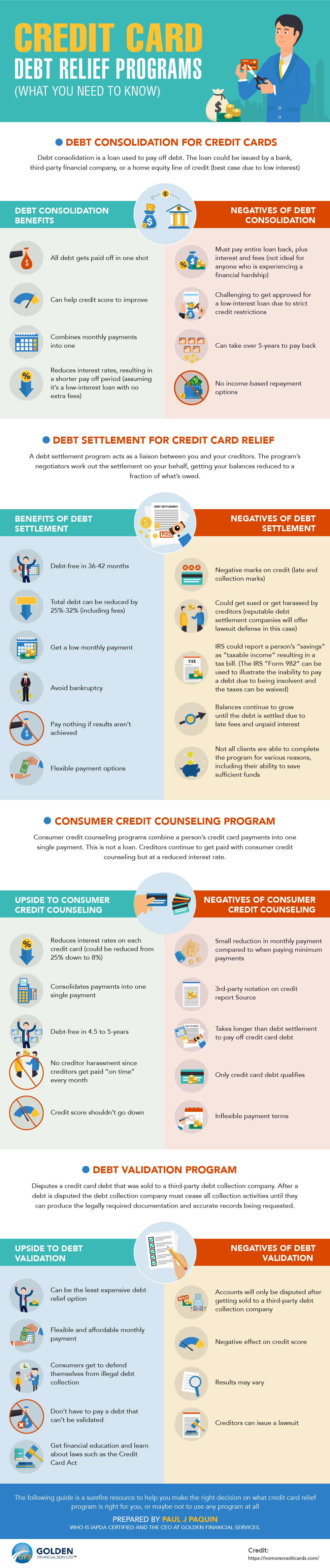
With a DMP, you make one monthly payment to the credit score counseling agency. Those funds are after that distributed to financial institutions of your unsecured debts, such as charge card and installment loans. The company functions with your financial institutions to decrease rate of interest or waive fees, however some lenders may refuse such giving ins.
A financial debt consolidation car loan combines your qualified financial debts into one new funding. It can assist you pay for debt if you have the ability to secure a finance rate that's lower than the ordinary rate of the accounts you're settling. Nonetheless, you must avoid from acquiring financial obligation on those recently cleared accounts or your financial debt could grow even greater.
That provides you lots of time to remove or dramatically reduce your equilibrium while making interest-free settlements.
Not known Details About "The Ethics of Debt Relief: Balancing Client Advocacy with Credit System Integrity Wrecks Your Future" and Other Lies
You might need it if your financial institution or a collection agency ever before attempts to gather on the financial obligation in the future. When a lending institution forgives $600 or more, they are required to send you Type 1099-C.
Financial debt forgiveness or settlement often injures your credit rating. Anytime you settle a financial debt for less than you owe, it might appear as "worked out" on your credit score report and affect your credit report for 7 years from the date of settlement. Your debt can also drop substantially in the months bring about the forgiveness if you fall behind on payments.
Things about Legal Changes That Could Change Bankruptcy Procedures
This circumstance frequently results from underreporting earnings, not filing returns on time, or inconsistencies located throughout an IRS audit. The effects of accumulating tax obligation financial debt are serious and can consist of tax liens, which give the Internal revenue service a legal claim to your residential or commercial property as safety for the debt.
Salaries and Financial institution Accounts Internal revenue service can impose (confiscate) earnings and bank accounts to please the financial obligation. Residential or commercial property Seizure In extreme situations, the IRS can take and market home to cover the financial debt.
Social Preconception Dealing with legal activity from the IRS can bring social stigma. Employment Opportunities A bad credit rating rating due to strain financial obligation can restrict employment opportunities. Government Advantages Tax obligation financial debt may impact qualification for government advantages, such as Social Safety And Security and Medicaid.
The Only Guide for Government Resources for Financial Assistance
The OIC thinks about several aspects, including the taxpayer's earnings, expenditures, property equity, and capability to pay. Successfully working out an OIC can be complex, requiring an extensive understanding of the internal revenue service's standards and a strong argument for why your offer lines up with your capacity to pay. It is very important to note that not all applications are approved, and the process requires comprehensive economic disclosure.
The internal revenue service evaluates your overall financial situation, including your income, expenditures, property equity, and ability to pay. You should additionally be current with all filing and repayment requirements and not be in an open bankruptcy proceeding. The internal revenue service additionally considers your conformity history, examining whether you have a document of timely declaring and paying taxes in previous years.
The Truth About The Ethics of Debt Relief: Balancing Client Advocacy with Credit System Integrity in 2024 for Beginners
The application process for a Deal in Compromise involves a number of comprehensive actions. You must complete and submit Internal revenue service Type 656, the Deal in Compromise application, and Form 433-A (OIC), a collection info statement for individuals. These kinds require comprehensive economic information, including information concerning your earnings, financial debts, costs, and assets.
Back tax obligations, which are overdue tax obligations from previous years, can substantially boost your total internal revenue service financial obligation if not dealt with without delay. This financial obligation can build up rate of interest and late repayment charges, making the original amount owed much bigger gradually. Failing to repay taxes can lead to the internal revenue service taking enforcement activities, such as issuing a tax obligation lien or levy against your home.
It is necessary to resolve back tax obligations immediately, either by paying the complete quantity owed or by preparing a layaway plan with the IRS. By taking aggressive actions, you can prevent the buildup of added passion and penalties, and protect against a lot more hostile collection actions by the internal revenue service.
One typical factor is the idea that the taxpayer can pay the total either as a round figure or via a layaway plan. The internal revenue service also thinks about the taxpayer's revenue, expenditures, asset equity, and future earning potential. If these elements indicate that the taxpayer can manage to pay greater than the supplied amount, the internal revenue service is most likely to decline the deal.
9 Simple Techniques For Categories of Relief Programs Accessible Now
It is important to provide precise and complete info in your application and to consult with a tax professional to enhance the possibilities of acceptance. Dealing with IRS financial obligation can be intricate and daunting. Tax obligation experts, such as CPAs, tax lawyers, or registered agents, can supply vital support. They have the experience to navigate the ins and outs of tax obligation law and internal revenue service treatments.

Table of Contents
Latest Posts
)
The Best Guide To Professional Guidance Safeguards What You've Worked For
The Of Is Bankruptcy Work for Everyone
The Facts About Your Introduction to Debt Counseling and What to Ask Revealed
More
Latest Posts
The Best Guide To Professional Guidance Safeguards What You've Worked For
The Of Is Bankruptcy Work for Everyone
The Facts About Your Introduction to Debt Counseling and What to Ask Revealed